Zusammenfassung anzeigen Zusammenfassung ausblenden
Summary:
- Places where locals lead the way and stories matter.
- Journeys that give back to the land they cross.
- Cultures that welcome, teach, and transform.
- A slower, more mindful way to see the world.
Something is changing in the way we travel. The checklist trips and endless selfies are fading; in their place grows a hunger for meaning. Travelers want to listen as much as they look, to understand what it takes to protect the places they love and to feel part of the story rather than just passing through it.
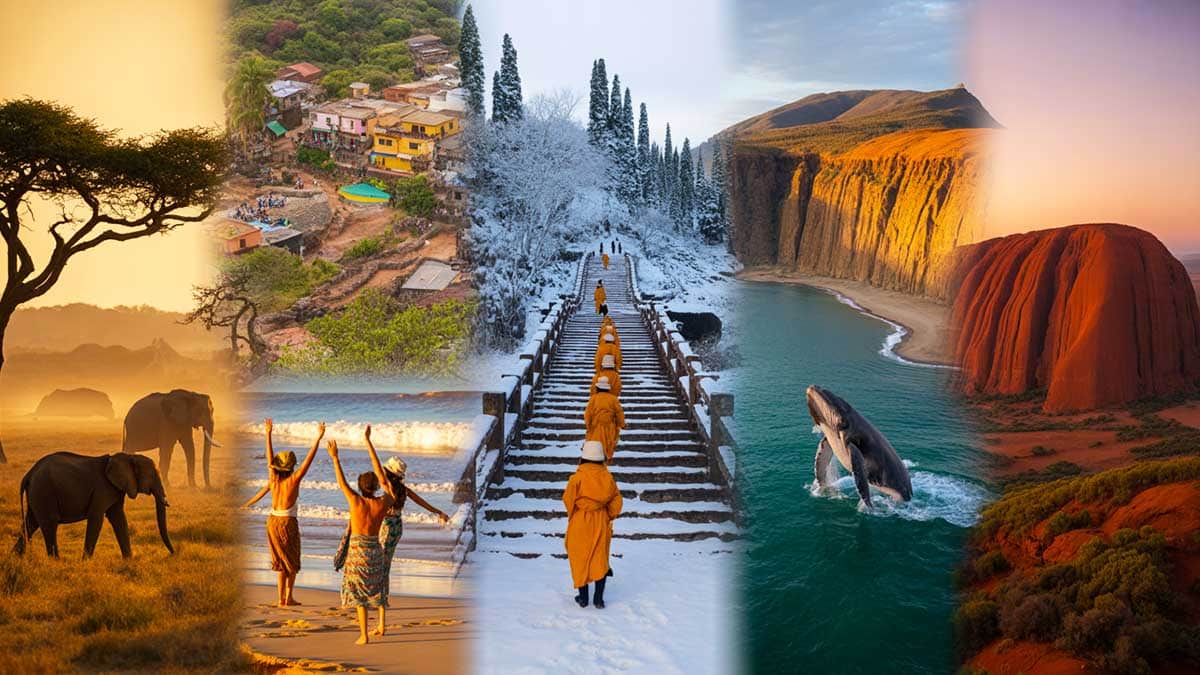
In 2026, that quiet shift finds its rhythm. From Rwanda’s restored savannahs to Australia’s sacred desert, new emerging destinations are choosing care over crowds. They prove that tourism can be both gentle and powerful, an act of curiosity and respect. Each of these places whispers the same invitation: slow down, look closer, and travel with intention.
Allein reisen als Frau: Diese 15 Regeln machen’s sofort entspannter
Europa 2026: Diese 6 Reiseideen fühlen sich endlich wieder nach Urlaub an
Rwanda’s Akagera: when the wild finds its voice again
Dawn in Akagera feels like the world holding its breath. Mist lifts from the grasslands, the first cries of birds break the silence, and the air hums with life once lost. Two decades ago, this Rwandan park was nearly silent; today, lions prowl, elephants roam, and communities manage the land that sustains them.
Here, conservation isn’t a slogan; it’s a daily conversation between people and nature. Each stay funds rangers, schools, and the fragile peace that allows both to thrive. The rhythm of Akagera is one of balance, patient and enduring, and visitors feel it the moment they arrive.
Traveler’s note:
Join a sunrise drive with a local ranger. The first roar of a lion across the valley will tell you everything words can’t. Let that sound settle; it’s the sound of hope returning.
Oaxaca, Mexico: a coast that still breathes slow
Along Mexico’s Pacific edge, the Oaxacan coast feels like a held note: soft, endless, alive. Between surf breaks and fishing villages, Afro-Mexican and Indigenous families share traditions that outlast any trend. Music spills from courtyards, tortillas puff on clay stoves, and the ocean sets the rhythm of daily life.
A new train will soon link the capital to the coast, bringing easier access and a challenge: how to keep its soul intact. Yet, for now, this coastline remains a refuge for those who travel to learn, not consume. Here, you share stories over mezcal, dance barefoot in the sand, and remember that simplicity is a luxury.
Traveler’s note:
Stay with a local family near Mazunte. At dusk, follow the drumbeats to the beach; they don’t play for tourists, they play for joy. If you’re lucky, they might invite you to join in.
Yamagata, Japan: the art of stillness
Hidden a few hours north of Tokyo, Yamagata offers another kind of luxury: silence. Hot-spring villages steam under snow-covered roofs, cedar forests sigh in the wind, and monks climb the 1,000 steps to Yamadera Temple as they have for centuries.
This is Japan at whisper level. Nothing shouts for attention; beauty appears only if you slow down enough to notice it. The locals move with quiet confidence, unhurried and grounded, reminding travelers that peace isn’t found, it’s felt.
Traveler’s note:
Climb Yamadera at sunrise. Halfway up, look back over the valley; the sound you hear isn’t silence, it’s peace taking shape. Stop there for a moment; that’s what stillness feels like.
Dominica, Caribbean: the Island that listens to whales
Dominica calls itself „The Nature Island,“ and it earns the name. By 2026 it will host the world’s first sperm-whale reserve, a promise to protect the gentle giants that glide just offshore. The sea here feeds the people, and the people return the favor with care and reverence.
The island’s forests are dense and fragrant, its rivers clean enough to drink from. Life unfolds slowly: fishermen greet the dawn, kids dive into emerald pools, and elders tell stories of storms survived and lessons learned. When a whale surfaces beside your boat, you understand that you’re just a guest in its home.
Traveler’s note:
Book with a community-run operator. When the guide cuts the engine and the water goes still, you’ll hear the ocean breathe. It’s a sound that stays with you, like a heartbeat beneath the waves.
Uluru, Australia: Where the land speaks back
At the heart of Australia, Uluru rises from the desert like a memory made of stone. For the Anangu people, it isn’t a landmark; it’s a living relative, filled with stories that explain how the world came to be. The desert around it shifts with color and light, whispering tales of creation to anyone who pauses long enough to listen.
From 2026, overnight stays in eco-lodges built with Anangu guidance will let travelers experience that connection first-hand. Nights under the Milky Way will replace noise with stillness, and every dawn will carry meaning. Here, you don’t just visit; you share in a way of seeing.
Dresden in 2 tagen: Altstadt, Elbe und Neustadt ohne Stress erleben
Bodensee auf deutscher Seite: Konstanz, Mainau und Lindau entspannt entdecken
Traveler’s note:
Join an evening walk with a local guide. As the rock shifts from orange to crimson to deep violet, you’ll understand why words fall short here. The silence is sacred; let it teach you something.
Regenerative travel isn’t a slogan; it’s a choice. It’s how we decide to move through the world, with awareness, respect, and care. The more we slow down, the more the planet opens up, showing its quiet generosity. In 2026, the most meaningful journeys won’t chase novelty; they’ll seek belonging. Because the farther we go, the closer we come to what truly matters.