Zusammenfassung anzeigen Zusammenfassung ausblenden
Summary:
- Where to see whales, elephants, and penguins in the wild.
- The best seasons and local spots for authentic encounters.
- How to travel responsibly and support conservation.
- Why real connection beats any safari snapshot.
Travel isn’t just about ticking places off a list anymore. The real thrill often comes when the wild appears without warning: a whale breaching, an elephant walking silently through the dust, or a monkey meeting your gaze.
These are the moments that reset something inside us. They remind us that travel isn’t about conquering distances but about paying attention. More and more, travelers are choosing to listen rather than chase. They want to feel part of the rhythm of life, not stand apart from it.
Allein reisen als Frau: Diese 15 Regeln machen’s sofort entspannter
Europa 2026: Diese 6 Reiseideen fühlen sich endlich wieder nach Urlaub an
Let’s go where that rhythm still speaks loud and clear.
The Azores: Europe’s ocean giants
Halfway between Europe and America, the Azores Islands rise like emeralds from the Atlantic. Around São Miguel and Pico, the ocean is alive: sperm whales, blue whales, and dolphins glide through the deep blue.
Here, whale watching isn’t a show; it’s an encounter. Local guides keep things respectful, using hydrophones to listen before approaching. When one finally surfaces, it feels like a gift, not a guarantee.
Local tip:
Choose certified operators like Futurismo or Terra Azul, who let the animals set the pace.
Tanzania: the call of the savannah
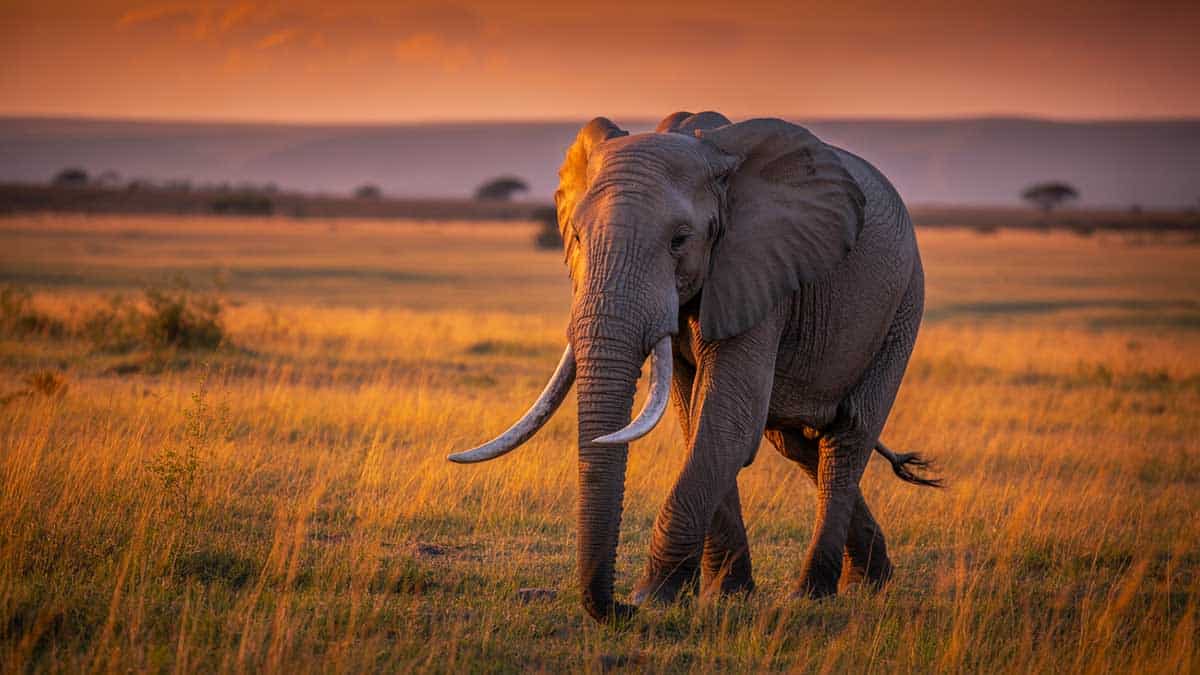
There’s a silence in the Serengeti that words can’t hold. Then the ground trembles: elephants, slow and calm, crossing the plains under a burning sky.
For many, Tanzania is the dream. The Great Migration, lions at sunrise, the endless horizon. Yet Tarangire National Park offers something more intimate, especially between June and October when herds gather near the river.
What makes this journey meaningful isn’t just what you see but how you see it. Many lodges are managed by local communities that reinvest profits into wildlife protection.
Traveler’s note:
Pick eco-lodges that avoid off-road driving; it keeps habitats alive for the next generation.
Sweden: moose trails and midnight light
If you’ve ever wanted to feel the heartbeat of a forest, head north. In Sweden’s vast woodlands, spotting a moose isn’t just luck, it’s patience rewarded.
Regions like Värmland and Småland offer guided “elk safaris” where you listen before you look. The experience is slow, almost meditative: the sound of wind through pines, soft moss underfoot, and the sudden appearance of antlers in the mist.
Best time to visit:
May to September, when daylight stretches endlessly and the forest feels eternal.
South Africa: penguins and wild horizons
Just outside Cape Town, the penguins of Boulders Beach waddle freely between granite rocks and turquoise waves. Walkways allow you to observe them up close without intruding.
Arrive early, before the heat and the crowds, to feel as if the beach belongs to them alone.
Further east, Addo Elephant National Park near Port Elizabeth offers a rare combination: penguins, elephants, and whales in a single trip.
Budget insight:
Boulders Beach entry: around $10. Addo safaris: $30–$80 depending on the season.
The Amazon: Where everything breathes
The Amazon rainforest doesn’t shout; it hums. Every sound, from insects to distant birds, reminds you that you are the guest here.
In Brazil, Peru, or Ecuador, eco-lodges along the river let travelers explore the jungle without disturbing it. Guided night walks reveal glowing eyes and quiet mysteries. Morning mist lifts to reveal parrots streaking across the sky.
Dresden in 2 tagen: Altstadt, Elbe und Neustadt ohne Stress erleben
Bodensee auf deutscher Seite: Konstanz, Mainau und Lindau entspannt entdecken
For you:
Choose certified local guides and Indigenous-led lodges to support forest guardianship and genuine conservation.
Seeing animals in their world changes how you see yours. No need for grand gestures, just patience, respect, and a bit of silence.Each encounter is a reminder: the world doesn’t belong to us alone. When we travel this way, we don’t just move, we connect.