Zusammenfassung anzeigen Zusammenfassung ausblenden
Summary:
- Luxor’s subtle revival through art and people.
- Boutique stays with soul and storytelling.
- Authentic Nile moments away from the crowds.
- Local flavors that taste like home.
- How to travel slower and feel more in 2026.
Luxor has always carried the weight of eternity. Pharaohs once carved their dreams into stone, believing they’d last forever. And they did, at least the stones did. Yet today, it’s something else that endures here, a gentler rhythm, a sense of quiet life finding its place among the ruins.
Beyond the ancient walls, you hear laughter again. Artists sketch in the shade, children race bicycles through dusty alleys, and travelers linger longer than they planned. Luxor feels like it’s remembering how to breathe. It’s not a museum, it’s a heartbeat. Let’s see why this city still matters.
Allein reisen als Frau: Diese 15 Regeln machen’s sofort entspannter
Europa 2026: Diese 6 Reiseideen fühlen sich endlich wieder nach Urlaub an
1. The new pulse of an old city
Walk through Luxor at sunrise and you’ll feel it instantly, a city that’s ancient, yes, but not asleep. Painters, writers, and wanderers keep arriving, drawn by the same golden light that once illuminated the temples of Amon. It’s easy to see why, the way the sun spills across the Nile feels almost cinematic.
There’s an unspoken community among those who stay. Some restore mud-brick homes into creative retreats, others open small workshops where old crafts meet modern touches. It’s not about chasing trends, it’s about finding stillness and making something meaningful from it.
2. Stay small, feel big: Luxor’s soulful stays
Forget polished resorts. The real Luxor lives in its guesthouses, intimate and full of life.
| Where to stay | Vibe | Why it stands out |
| Al Moudira | Artistic haven | A palace of patterns where every corner tells a story. |
| Nile View Guesthouse | Local and warm | Family-run, with terraces overlooking the river’s slow current. |
| Villa Sunrise | Eco and quiet | Solar-powered adobe villas surrounded by date palms. |
Here, comfort means conversation, not marble floors. You’ll share meals made with fresh farm ingredients, hear stories from hosts who’ve lived by the Nile all their lives, and fall asleep to the sound of donkeys in the distance.
Local tip:
Stay on the west bank if you can. It’s calmer and more authentic. The sun sets behind the Valley of the Kings, and every evening feels like a small ceremony.
3. When culture feels alive again
Luxor’s artistic energy isn’t loud, it hums. The Luxor Cultural Center hosts small, passionate exhibitions where local painters capture the changing desert light. Nearby, artisans still carve limestone or paint on papyrus, not for souvenirs but because it’s their way of life.
Food follows the same philosophy, simple, generous, real. A plate of lentil soup, warm flatbread, and homemade tomeyacan outshine any hotel buffet. Rooftop dinners in Al-Gezira are especially memorable, locals chatting over grilled fish, laughter echoing through the night air.
Traveler’s note:
Visit New Gourna Village, designed by Hassan Fathy, an Egyptian architect known for his sustainable vision. It’s a fascinating place where traditional design meets practicality and community life.
4. The Nile, slower and truer
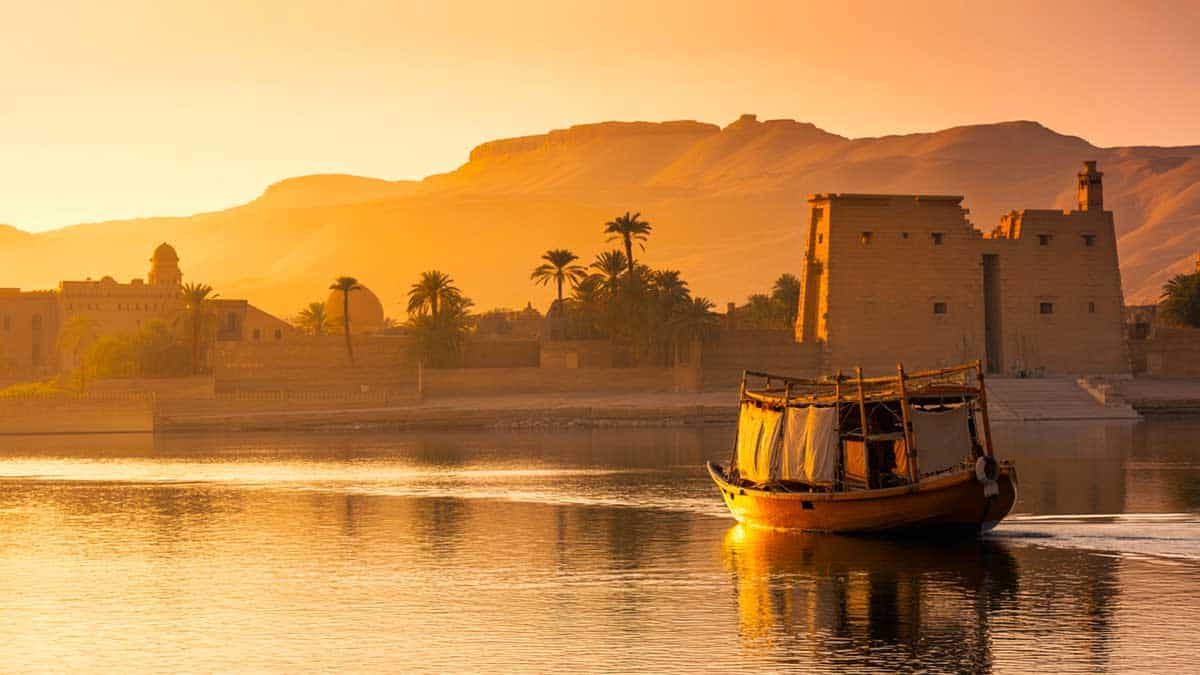
The Nile isn’t just scenery, it’s Luxor’s pulse. For many travelers, the highlight is no longer a large cruise ship, but a dahabiya, a small wooden boat with sails, silence, and space to think.
Days unfold gently. You wake with the sunrise, stop at small temples like Edfu or Kom Ombo, and spend evenings anchored beside sleepy villages. Conversations drift as easily as the current. It’s not about seeing more, it’s about feeling more.
Budget insight:
A three-day dahabiya trip starts around $350 per person, including meals and guided visits. Pricier than a mass cruise, but the difference is night and day.
5. Planning your stay in 2026
Dresden in 2 tagen: Altstadt, Elbe und Neustadt ohne Stress erleben
Bodensee auf deutscher Seite: Konstanz, Mainau und Lindau entspannt entdecken
Egypt is welcoming travelers again. The opening of the Grand Egyptian Museum in Giza has reignited curiosity worldwide, but Luxor remains true to itself, vibrant yet grounded.
- When to go: October to April, when days are warm and nights are soft.
- How to move: Skip taxis, take the public ferry, it costs less than a coffee and offers the best view in town.
- What to remember: Smile, greet, listen. In Luxor, kindness opens more doors than money ever will.
Luxor doesn’t need to reinvent itself. Its beauty lies in how it endures, adapts, and invites you to slow down. You come for the history, but you stay for the humanity, the faces, the river, the quiet light. Travel here not to escape time, but to feel it differently.